

Adaptation and Natural Selection

Adaptation – What is it? (Elementary Reading Level)
Adaptation – What is it? (MS/HS Reading level)
Adaptation and Natural Selection (6-8 Grade)
Adaptation and Natural Selection (High School)
Adaptation and Natural Selection: Read and React
Adaptation Illustrated for K-5
Adaptation Illustrated for Middle School/HS
Adaptations of Maples (Red)
Adaptations of Pine Trees
Adaptations of the American Toad
Adaptations of the Arctic Fox
Adaptations of the Armadillo
Adaptations of the Barn Swallow
Adaptations of the Beaver
Adaptations of the Bumblebee
Adaptations of the Camels
Adaptations of the Caribou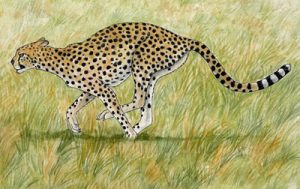
Adaptations of the Cheetah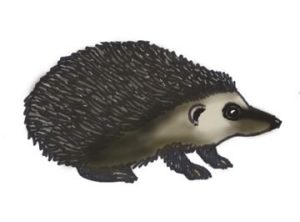
Adaptations of the Hedgehog
Adaptations of the Housefly
Adaptations of the Kangaroo
Adaptations of the Kangaroo Rat
Adaptations of the Koala
Adaptations of the Opossum
Adaptations of the Orchid Mantis
Adaptations of the Owl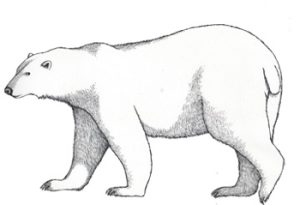
Adaptations of the Polar Bear
Adaptations of the Porcupine
Adaptations of the Saiga Antelope
Adaptations of the Short-tailed Shrew
Adaptations of the Snowshoe Hare
Adaptations of the Striped Skunk
Adaptations of the Three-toed Sloth
Adaptations of the Walkingstick
Antibiotic Resistance – Reading, Mathematical Modeling, Analysis
Artificial Selection – Domestication of Animals and Plants (6-8 Grade)
Birdsfoot Trefoil and the Honeybee – Mutualism – Symbiotic Relationships
Bt Crops – Modern Application of Artificial Selection – Reading (6-8 Grade)
Camouflage and Adaptive Behaviors – Read, Research, Report (6-8 Grade)
Glaciers and Animal Adaptations for Survival
Helping Baby Survive
Nocturnal Animals – An Adaptation for Survival
Related Information About This Topic:
Adaptation to their Environment – Diagram
Where Do Animals Go in Winter?
Insect Adaptation – Camouflage
Natural Selection in Caribou – Diagram
Surviving Hibernation – It’s a BEAR!
Surviving the Arctic Cold – Polar Bears are HOT!
Related Activity:
Adaptations – Authentic Performance
Adaptive Traits in Insects – Critical Thinking Activities (2)
Animal Report Summary Graphic Organizer
Animal Behavior Study for Kids — Watching Squirrels
Animal Locomotion Activity – How Animals Move
Does Camouflage Protect Animals from Predation? Activity
Domestication of Dogs – Artificial Selection – Critical Thinking
Natural Selection and the Peppered Moth Activity
Nocturnal Animals? – Foldable Fact Finder Activity
Natural Selection and the Peppered Moth Activity
Venomous and Poisonous Animals Coloring Page
Winter Animal Mural – Survival Adaptations
Winter Survival and Adaptation Coloring Page
Preparing for Winter
Daytime (Diurnal) and Nighttime (Nocturnal) Animals Activity
Selective Breeding in Llamas – Authentic Performance
The Structures and Functions of Porcupines – Reading with Short Answers
Which Animals are Awake at Night? Critical Thinking Activity
Which Animals Live in the Desert? Critical Thinking Activity
Which Animals Live in the Ocean? Critical Thinking Activity
Which Animal Has Fur? Critical Thinking Activity
Which Might You Find at the Beach? Critical Thinking Activity
Winter Wildlife Puzzle Mural Making Activity
Related Testing and Assessment:
Adaptation and Natural Selection – Multiple Choice
Adaptation and Natural Selection – Short Answer Quiz
Adaptation Matching – Activity
Adaptation to Your Environment – Matching
Adaptations – Authentic Performance
Adaptation in the Schoolyard – Read and React
Animal Adaptation Observation and Critical Thinking
Helping Baby Survive Matching
How Animals Move – Print-Copy-Cut-Paste
How Animals Survive the Winter Matching
How Animals Survive the Winter – Matching (Color)
Insect Camouflage Matching – Structure & Function
Match the Animals to their Skulls
Nocturnal Animals Labeling Page
Pollination and Seed Dispersal Adaptations
Surviving Winter Drawing Activity
The Right Beak for the Job – Matching
Venomous and Poisonous Animals Labeling Page
Winter Adaptations – Multiple Choice Test