


Talk to students about the functions of each organ in their body and how they fit together in a working machine.
See the: Organs and What They Do – Lecture.
Materials:
Copies of the “ Build a Model of the Human Body” sheets for each student
Roll of white mural paper cut to length for each student
scissor, crayons and glue stick for each student
Instructions:
1. Use the Digestive System Organs Coloring and Labeling Pages, the Respiratory System Overview Diagrams, Heart Anatomy and Blood Flow Diagrams to help students learn the relative size, position, and function of each organ in the human body.
2. Copy enough organ sheets for each student to have a set.
3. Instruct them to color, label, and cut out each organ.
4. Get a large roll of paper (3 foot wide).
5. Cut off lengths about the heights of your students.
6. Instruct each student lie down on a length paper and trace their outline with a permanent marker and have them write their name on their body sheet.
7. Instruct them place their organs in the right places on their body outlines. Use glue sticks to secure organs in place.
8. Hang them in the hall to share with the rest of the school.
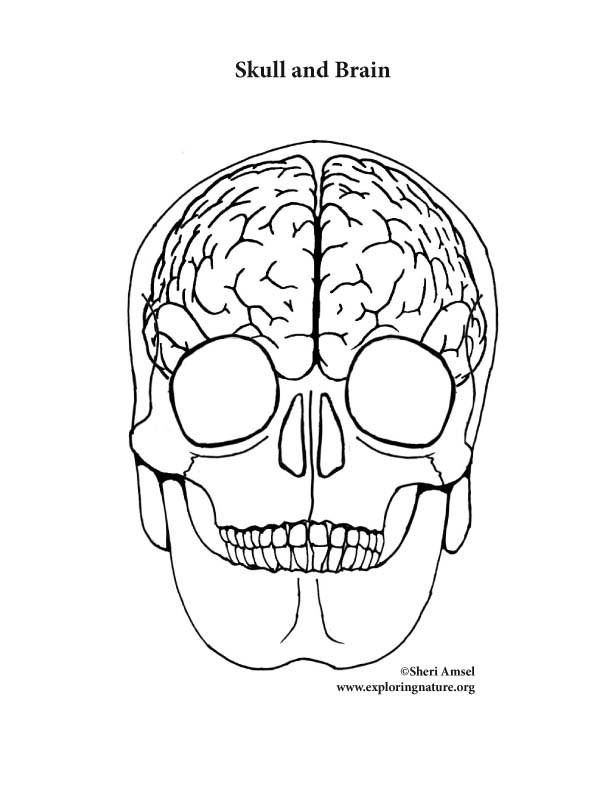


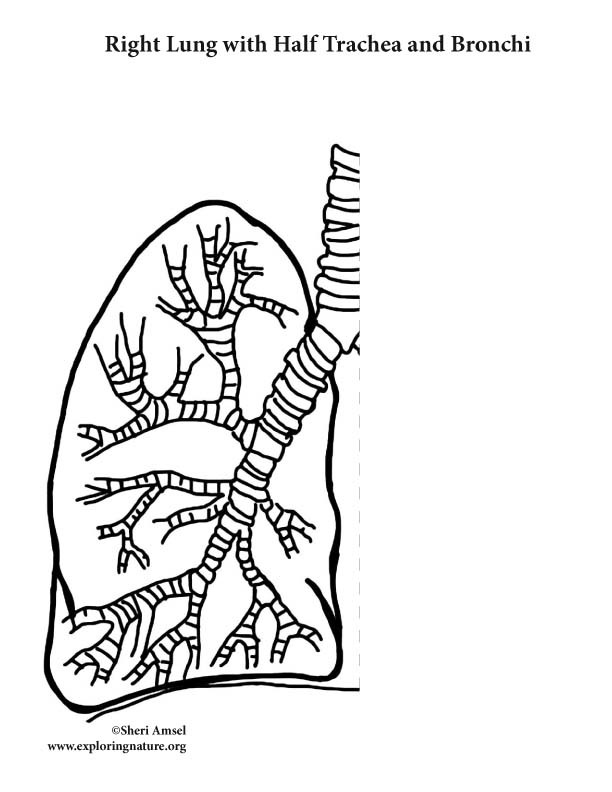

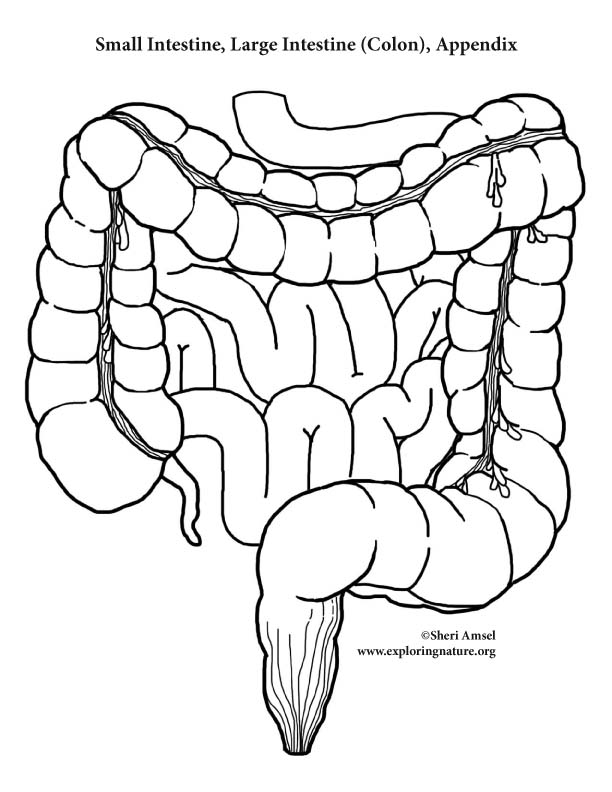

National Science Standard Addressed
NGSS: Disciplinary Core Ideas
LS1.A: Structure and Function
• Plants and animals have both internal and external structures that serve various functions in growth, survival, behavior, and reproduction. (4-LS1-1)
Performance Expectations Students who demonstrate understanding can:
4-LS1-1. Construct an argument that plants and animals have internal and external structures that function to support survival, growth, behavior, and reproduction. [Clarification Statement: Examples of structures could include thorns, stems, roots, colored petals, heart, stomach, lung, brain, and skin.] [Assessment Boundary: Assessment is limited to macroscopic structures within plant and animal systems.]